
What does eco-friendly assisted living mean?
Eco-friendly assisted living means operating a residential care community in ways that reduce waste, conserve energy and water, protect indoor air quality, and support resident comfort. These practices can include efficient heating and cooling, thoughtful meal planning, safer cleaning products, recycling, accessible outdoor spaces, and building designs that make good use of natural light.
Sustainability in assisted living is not limited to solar panels or major construction projects. Daily decisions—such as how laundry is washed, how food waste is handled, and how medications or household products are disposed of—can also affect the environment.
For residents and families in New Holland, practical environmental improvements should support health, safety, comfort, and reliable care rather than create inconvenience.
How do assisted living communities save energy?
Energy-efficient equipment and building maintenance are among the most effective ways to reduce environmental impact. Heating, cooling, lighting, kitchen equipment, elevators, laundry systems, and medical-support equipment may operate throughout the day, so even modest efficiency improvements can have lasting effects.
Common practices include:
- Using LED lighting and motion sensors in rooms or hallways
- Installing efficient heating and cooling systems
- Maintaining air filters, windows, insulation, and weather stripping
- Adjusting thermostats in unoccupied areas without compromising comfort
- Using daylight through windows and skylights when appropriate
- Selecting appliances that use less electricity or water
- Monitoring energy use to identify equipment that may need repair
Seasonal temperature changes make building maintenance especially relevant in New Holland. During humid summers, reliable cooling and moisture control can help protect both resident comfort and indoor air quality. In colder months, draft control and properly maintained heating systems can reduce energy waste without leaving rooms uncomfortably cold.
Energy efficiency should never interfere with emergency lighting, medication storage, kitchen sanitation, elevator access, or temperature needs for residents who are sensitive to heat or cold.
Can water conservation be safe for older adults?
Yes. Water conservation can be built into routine operations without reducing hygiene or personal care. The key is to reduce unnecessary use rather than limit water needed for bathing, handwashing, cleaning, food preparation, or infection prevention.
Useful measures may include:
- Low-flow faucets and shower fixtures
- Prompt repair of leaking toilets, faucets, and pipes
- Efficient commercial dishwashers and laundry machines
- Watering outdoor plants during cooler parts of the day
- Choosing native or drought-tolerant landscaping where practical
- Collecting maintenance data to identify unusual water use
Water-saving fixtures should be selected carefully. Faucets and shower controls need to provide adequate pressure, simple operation, and safe temperature regulation. In assisted living, accessibility and fall prevention matter as much as conservation.
Outdoor landscaping also deserves attention. Shaded seating, well-maintained walking paths, and plants suited to local seasonal conditions can create pleasant spaces without requiring excessive irrigation or chemical treatment.
How are dining programs becoming more sustainable?
Food service has a significant environmental impact because it involves purchasing, refrigeration, preparation, packaging, transportation, and waste disposal. Assisted living dining programs can improve sustainability while still respecting medical diets, cultural preferences, allergies, and changing appetites.
Practical steps include:
- Planning portions carefully to reduce uneaten food
- Offering flexible serving sizes
- Using seasonal ingredients when available
- Purchasing some foods in larger containers instead of many small packages
- Separating food scraps where composting or other recovery options are available
- Donating safe, unused food when permitted by health and food-safety rules
- Tracking which menu items are frequently left uneaten
Reducing food waste does not mean reducing meal choices. Residents may eat less because of medication side effects, dental concerns, fatigue, or changes in taste. Menu planning should account for these needs rather than treating every uneaten portion as a simple purchasing problem.
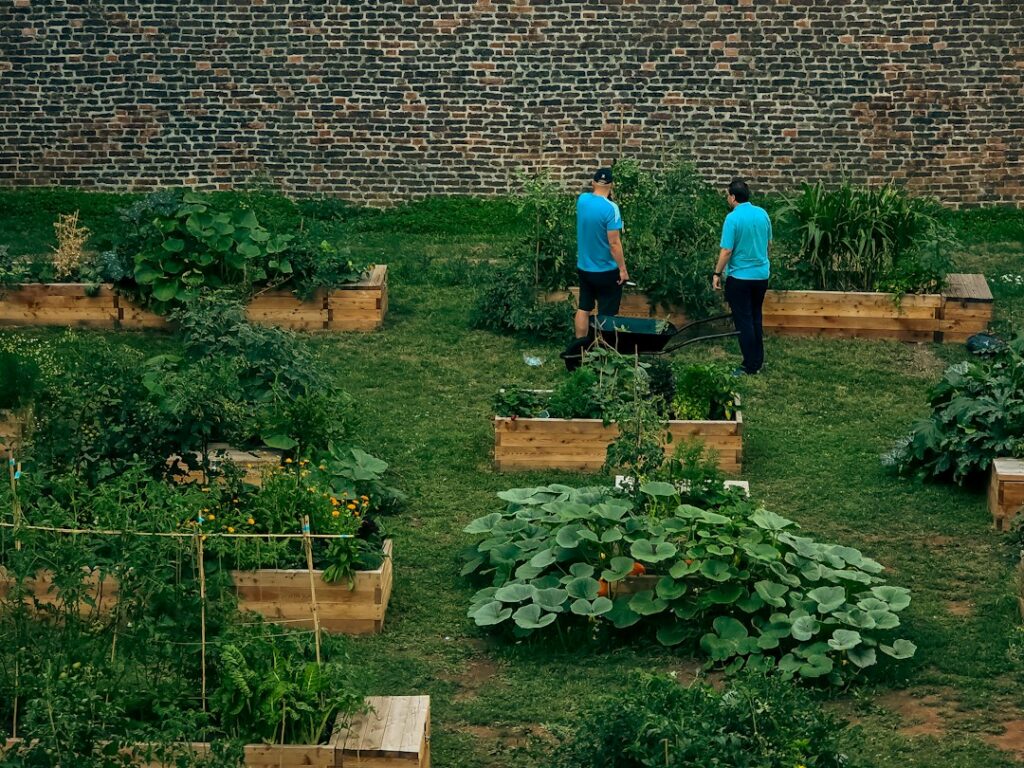
Community gardens or container gardens can also provide herbs, flowers, and resident activities. Raised beds may be easier to reach for people who use walkers or wheelchairs, although garden areas should be designed to avoid trip hazards, excessive sun exposure, and unsafe tools.
What cleaning practices support both health and sustainability?
Cleaning products must meet strict sanitation needs, especially in shared living environments. Eco-friendly cleaning does not mean using weak or untested products. It generally means selecting effective products with lower levels of unnecessary fragrance or hazardous ingredients, using the correct dilution, and avoiding wasteful overuse.
Important practices include:
- Following product instructions and required contact times
- Storing chemicals securely and labeling them clearly
- Using concentrated products when they reduce packaging waste
- Choosing reusable cleaning tools when sanitation procedures allow
- Ventilating spaces appropriately
- Avoiding unnecessary air fresheners and strong fragrances
Indoor air quality can be especially meaningful for residents with asthma, allergies, respiratory disease, or sensitivity to odors. Fragrance-free or lower-odor policies may improve comfort, but cleaning and disinfection requirements must remain the priority.
Residents and families can ask whether cleaning products are used according to written procedures, whether rooms are ventilated during cleaning, and how concerns about odors or irritation are handled.
How do communities reduce waste?
Waste reduction involves more than recycling paper and plastic. Assisted living communities handle food scraps, cardboard, packaging, household waste, electronic equipment, batteries, and certain medical or personal-care materials. Each category may require different handling.

Common waste-reduction measures include:
- Replacing disposable items with reusable options where safe
- Recycling cardboard, paper, metal, and approved containers
- Reducing unnecessary packaging in purchasing decisions
- Using refillable dispensers for appropriate supplies
- Donating usable furniture or activity materials when allowed
- Disposing of medications, sharps, batteries, and electronic items through proper channels
Not every item labeled recyclable belongs in a recycling bin. Contaminated materials, certain plastic films, medical supplies, and mixed-material packaging may require other disposal methods. Clear signs and staff training help prevent recycling bins from becoming contaminated.
Medication disposal also requires special care. Unused or expired medications should not be poured down drains or placed casually in household trash unless a safe disposal procedure specifically permits it.
Do sustainable features affect resident comfort and safety?
They can, but good sustainability planning begins with resident needs. Natural lighting may support a pleasant environment, but glare can make it harder to see. Large windows can provide views and daylight, but they may also increase heat gain or create uncomfortable drafts. Low-water landscaping may conserve resources, but walkways still need to remain visible, level, and easy to navigate.
A well-designed community considers:
- Temperature control in individual rooms and common areas
- Quiet operation of heating, cooling, and ventilation equipment
- Non-slip surfaces and clear walking paths
- Safe access to gardens and outdoor seating
- Adequate lighting during evening hours
- Backup power for essential systems
- Emergency procedures during heat, cold, storms, or utility interruptions
Environmental responsibility should strengthen resilience. Reliable insulation, efficient systems, emergency planning, and shaded outdoor areas can help communities respond to power disruptions and severe seasonal weather.
What questions should families ask about environmental practices?
Families do not need technical expertise to understand a community’s approach. Useful questions include:
- How are heating, cooling, and indoor air quality monitored?
- Are resident rooms individually temperature-controlled?
- How is food waste measured or reduced?
- Which materials are recycled, and what happens to items that cannot be recycled?
- Are outdoor areas accessible and maintained without creating fall hazards?
- How are medications, batteries, and electronic devices disposed of?
- What backup plans exist for extended power outages or extreme weather?
- Are sustainability efforts explained to residents and included in activities?
The strongest programs can describe specific routines rather than relying on broad claims. They also recognize that environmental goals must remain consistent with personal care, infection prevention, nutrition, accessibility, and emergency preparedness.
Why does this matter for residents?
Eco-friendly operations can support a healthier and more comfortable living environment when they are carefully planned. Efficient systems may reduce drafts, temperature problems, excess noise, and maintenance issues. Better food planning can preserve choice while reducing waste. Accessible gardens and outdoor spaces can encourage activity and social connection.
For residents in New Holland, environmental responsibility is most useful when it is practical and visible in everyday life: comfortable rooms, clean air, well-maintained paths, sensible meals, less unnecessary waste, and dependable systems through changing seasons.
