
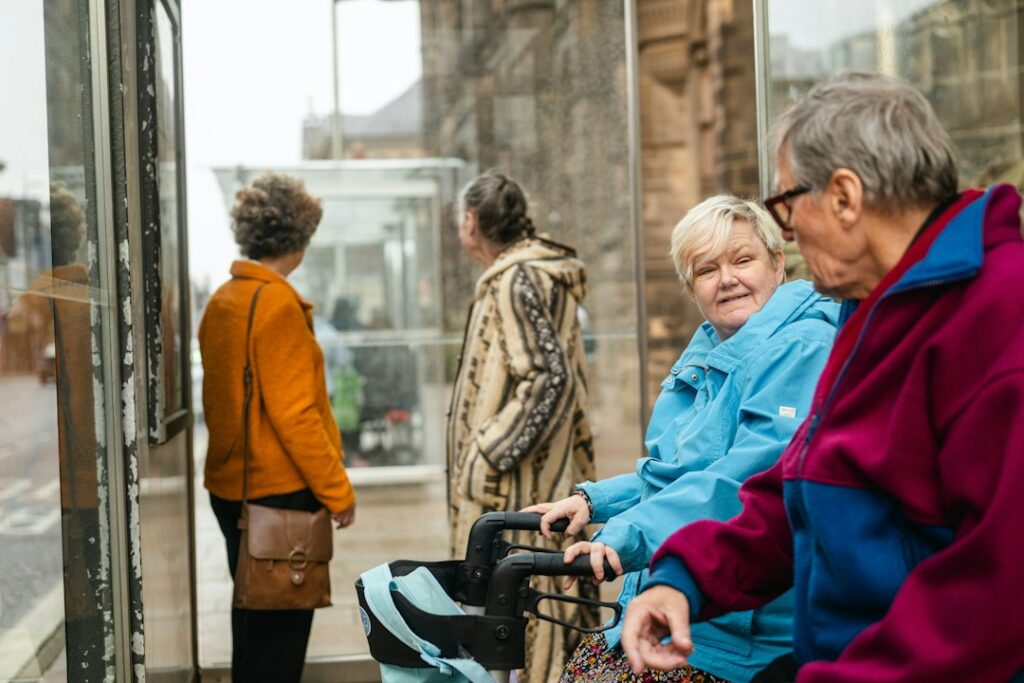
What does it mean to be ready for assisted living?
A person may be ready for assisted living when everyday tasks, safety concerns, or isolation have become difficult to manage reliably at home. The decision is usually based on a pattern of changes rather than one isolated incident.
Assisted living may provide help with personal care, medication routines, meals, housekeeping, transportation, and social activities while allowing residents to maintain as much independence as possible. It is different from skilled nursing care, which is designed for people who need ongoing medical treatment or extensive nursing support.
The right time varies from person to person. A small amount of help may be enough for one household, while another may need a more structured setting because of falls, memory loss, or caregiver exhaustion.
Which changes suggest that extra support may be needed?
The clearest signs involve safety, self-care, health management, and the ability to keep up with daily responsibilities. Watch for changes that are new, worsening, or happening repeatedly.
Common indicators include:
- Missed medications, duplicate doses, or confusion about prescriptions
- Frequent falls, near-falls, or difficulty getting up after sitting or lying down
- Unpaid bills, unopened mail, or unusual financial activity
- Spoiled food, skipped meals, weight loss, or poor nutrition
- Trouble bathing, dressing, grooming, or using the bathroom safely
- Leaving appliances on, forgetting to lock doors, or wandering outside
- Increasing difficulty with stairs, icy walkways, or getting in and out of a vehicle
- A home that has become unusually cluttered, dirty, or unsafe
- Repeated confusion about the date, location, appointments, or familiar routines
- Withdrawal from friends, family, faith activities, or other sources of connection
One warning sign does not automatically mean assisted living is necessary. Several smaller problems occurring together often provide a clearer picture.
How can a family tell the difference between normal aging and a serious concern?
Normal aging may involve moving more slowly, needing extra rest, or occasionally forgetting a name. More concerning changes affect judgment, safety, hygiene, nutrition, or the ability to complete familiar activities.
For example, forgetting an appointment may happen occasionally. Repeatedly missing appointments despite reminders, becoming confused about why the appointment exists, or being unable to arrange transportation suggests a more significant problem.
A practical way to evaluate the situation is to ask:
- Can the person complete essential tasks without daily reminders?
- Can medications be taken correctly and consistently?
- Is the person eating, bathing, and using the bathroom safely?
- Can an emergency be recognized and handled appropriately?
- Is the home environment still manageable?
- Are family members providing more help than they can reasonably sustain?
Keeping a simple record for two or three weeks can reveal patterns that are easy to overlook during occasional visits. Note falls, missed medications, skipped meals, confusion, driving concerns, and changes in mood or behavior.
Does needing help mean a person has lost independence?
No. Independence does not have to mean doing everything alone. It can also mean having meaningful choices, privacy, familiar routines, and control over daily preferences while receiving help with tasks that have become difficult.
Some residents continue choosing what to wear, when to wake up, which activities to attend, and how to spend personal time. Assistance with bathing, medications, meals, or housekeeping can reduce risks without removing every decision from the person.
Families sometimes delay a decision because they believe moving means “giving up.” In practice, the right level of support may allow a person to conserve energy, avoid preventable injuries, and participate more comfortably in daily life.
What role do falls and seasonal conditions play in New Holland?
In New Holland, winter cold, snow, ice, and shorter daylight hours can make existing mobility problems more serious. A person who manages adequately during mild weather may struggle with slippery walkways, heavier clothing, reduced outdoor activity, or difficulty arranging transportation during storms.
Seasonal concerns should not be the only reason to consider assisted living, but they can expose risks that are already developing. Ask whether the person can safely:
- Walk from the home to a vehicle or mailbox
- Manage steps, uneven surfaces, and wet floors
- Obtain groceries and medications during poor weather
- Keep the home warm without creating fire or fall hazards
- Get help quickly if a fall occurs

Housing patterns also matter. A person living alone, in a home with stairs, or in a property requiring substantial outdoor maintenance may need more support than someone in a simpler, accessible setting.
How should families discuss the possibility without causing conflict?
The conversation works best when it focuses on observed needs rather than labels or demands. Instead of saying, “You cannot live alone anymore,” describe specific concerns: “You missed two medication doses this week,” or “You fell near the steps and could not reach the phone.”
Choose a calm time rather than beginning the discussion after an emergency. Ask what the person finds difficult, what help feels acceptable, and what they want to preserve. Listening matters because concerns may involve fear of losing privacy, leaving a familiar home, managing expenses, or becoming separated from neighbors and routines.
It may help to discuss several levels of support, including:
- Help brought into the home
- Family assistance with clearly defined limits
- Transportation or meal support
- A safer bedroom or bathroom arrangement
- A temporary stay after illness or hospitalization
- Assisted living when regular supervision and personal care are needed
The person’s preferences should be included whenever decision-making ability allows. If memory loss or impaired judgment makes the discussion difficult, family members may need guidance from a medical or legal professional, especially when safety is at immediate risk.
What should be evaluated before choosing assisted living?
The most suitable setting depends on the person’s actual needs, not just age or diagnosis. Ask what support is available for medications, bathing, mobility, meals, emergencies, memory-related behaviors, and overnight needs.
Families should also clarify:
- Whether staff are available at all hours
- What happens after a fall or sudden illness
- Which services are included and which cost extra
- How care needs are reassessed if the resident declines
- Whether transportation is available for appointments and errands
- How personal belongings, pets, visitors, and daily routines are handled
- What happens if nursing care becomes necessary later
Costs and payment arrangements should be reviewed carefully. The amount a household pays may depend on room type, level of assistance, medication management, and additional services. Written information is more reliable than assumptions based on a base rate.
When is immediate action needed?
Some situations should not wait for a long-term housing decision. Immediate medical attention may be needed after a serious fall, sudden confusion, chest pain, severe weakness, trouble breathing, or a possible medication overdose.
Urgent safety concerns also include wandering into traffic, leaving cooking unattended, threats of self-harm, suspected abuse, or an inability to obtain food, water, or essential medications. In these circumstances, emergency services or urgent medical guidance may be necessary before assisted living is considered.
For less urgent concerns, the goal is to act before a crisis forces a rushed decision. A thoughtful review of daily abilities, household safety, caregiver capacity, and future needs can help determine whether assisted living is appropriate now or whether another level of support is sufficient.
